

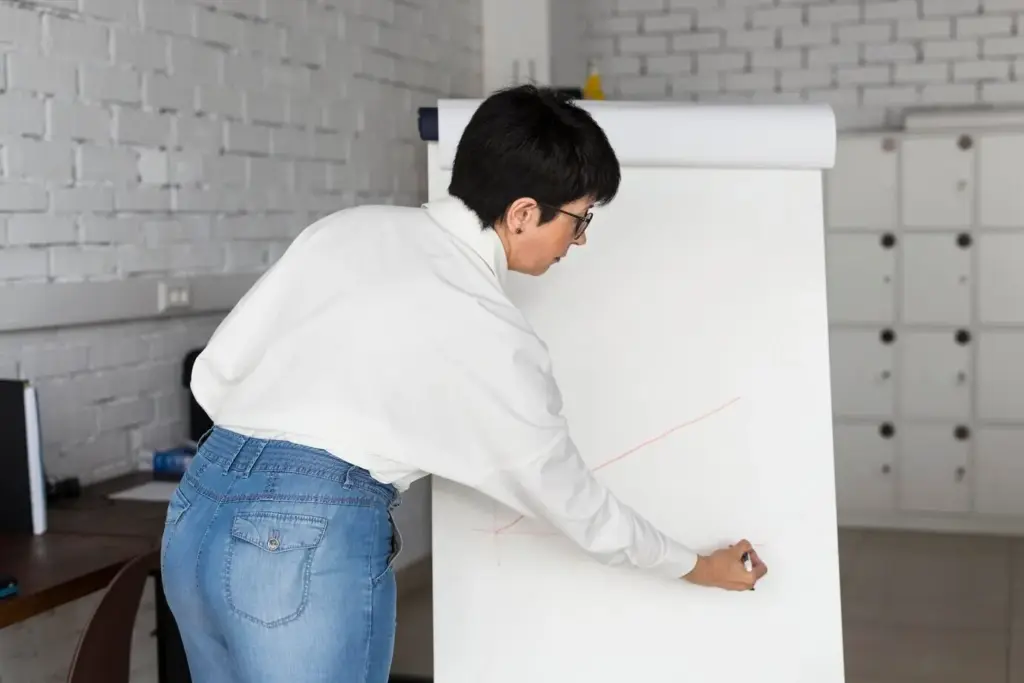

See Your Choices Clearly, Act With Confidence

Today’s focus is Visual Thinking for Everyday Decisions, turning quick sketches, lines, and simple shapes into clarity you can use immediately. With a pen and a pocket notebook, you’ll reduce overwhelm, weigh options faster, and communicate decisions better at home, at work, and on the go. Expect practical frameworks, real stories, and playful exercises that help you decide with calm certainty. Share your own sketches, subscribe for weekly prompts, and watch small marks create surprisingly big momentum.

Start With Simple Marks

You don’t need art skills to think visually; you need forgiving, repeatable marks that lower the pressure when choices feel crowded. Boxes, arrows, circles, and colors become anchors that hold thoughts still long enough to examine them. A reader once told us two quick squares separated their must-do from nice-to-have and removed a daylong anxiety. Try these tiny, respectful tools, then tell us how your page changed your next step.

Make Choices Faster With Lightweight Frameworks

Heavy tools slow everyday life; lightweight frameworks accelerate clarity without sacrificing thoughtfulness. Decision trees, effort–impact squares, and pros–cons sketches help you confront trade-offs honestly, then move. They are quick to draw, easy to reuse, and perfect for conversations where time is short. Learn them once, deploy daily, and invite us to feature your favorite page in our next community roundup.

Plan Your Day Visually

Text lists stack pressure; visual layouts distribute it. Use quadrants to prioritize, Kanban to limit work-in-progress, and timelines to reveal realistic duration. These simple views prevent overcommitting and spotlight the next small win. When a plan is visible, your mind relaxes and execution becomes playful. Post a snapshot of your layout and tell us which view saved your afternoon.
Draw urgent versus important, then place tasks with ruthless honesty. Add a small clock icon on items that truly expire today. Many urgent-looking items will slide into not-urgent after this visual truth check. Share one task you eliminated entirely, and the unexpected freedom that followed your new, calmer quadrant practice.
Create three columns: To Do, Doing, Done. Limit “Doing” to three items to avoid hidden bottlenecks. Families love this because everyone can see progress without meetings. Move cards at dinner and celebrate tiny wins. Upload a photo, tag your household role, and inspire others with your human, visible workflow.

Money, Meals, and Errands Made Visible

Daily logistics grow lighter when you can see them at a glance. Budget bars reveal spending drift sooner, meal grids prevent last-minute takeout, and errand clusters reduce travel time. These quick sketches turn stress into strategy for households, roommates, and solo planners alike. Try one tool today, track results for a week, and share your before-and-after story with our community.

Weekly Meal Grid That Reduces Stress

Make a seven-by-three grid for breakfast, lunch, dinner, then pencil protein, vegetable, and a joyful extra. Leave two squares blank for spontaneity. Shopping list emerges naturally from repeated ingredients. Post your grid and favorite quick recipe so readers can copy, adapt, and finally end decision fatigue around the table.

Simple Budget Bars That Tell Truth Fast

Label bars for essentials, joy, learning, and giving. Shade progress weekly to visualize pace, not just totals. You’ll notice leaks earlier and celebrate alignment when shades match intentions. Readers often report calmer spending after two weeks. Share your bar layout and one unexpected insight your numbers revealed without judgment.

Errand Clusters That Save Fuel

Sketch your city quadrant and group tasks by area, drawing loops that minimize backtracking. Add timing icons for places with lines or closing windows. A small map beats scattered reminders every time. After trying one cluster day, comment with estimated time saved and one habit you plan to keep.
Think Together: Family, Teams, and Friends

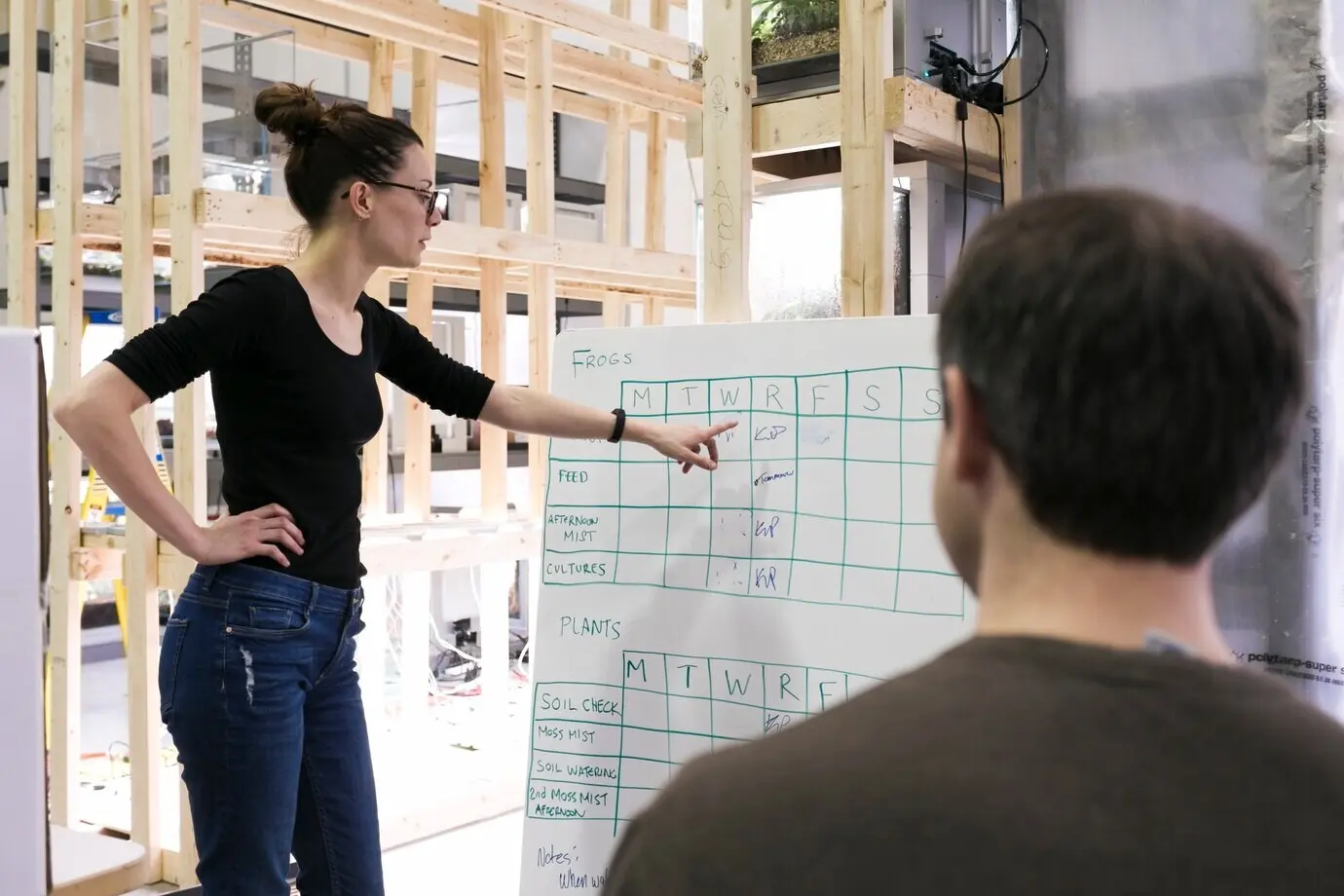
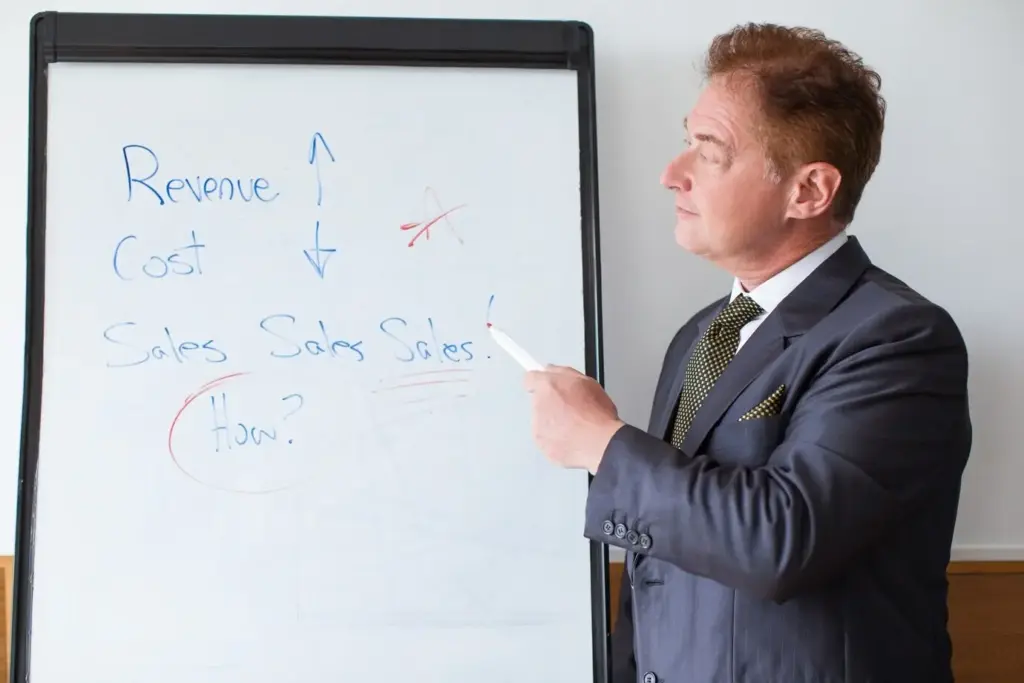
Visuals align groups quickly by making trade-offs visible and choices shareable. A five-minute board before decisions prevents circular conversations. Comics engage kids better than chore lectures. Shared maps turn vague plans into agreements with smiles. Co-create, photograph, and revisit later to track progress together. Invite your circle to try one canvas tonight and report back on the mood shift.

Avoid Traps: Biases You Can See

Cognitive biases hide in text, but pictures flush them into daylight. Premortem sketches reveal fragile assumptions before they break. Mirrors beside options counter confirmation bias compassionately. Assumption ladders help you climb down from hasty conclusions. Practicing these visuals turns anxiety into curiosity. Try one technique today and send us a note about the risk you caught in time.

Build a Habit You Will Keep

Sustainable visual thinking lives in small, pleasant rituals. A one-pen kit lowers friction, a two-minute check-in anchors progress, and monthly visual stories celebrate growth. By designing for ease and delight, you keep returning without discipline drama. Subscribe for printable prompts, share your favorite ritual, and join our weekly sketch challenge to build gentle consistency together.
Lovaroxatipulevipu
Privacy Overview

This website uses cookies so that we can provide you with the best user experience possible. Cookie information is stored in your browser and performs functions such as recognising you when you return to our website and helping our team to understand which sections of the website you find most interesting and useful.